




Product Description
Introduction
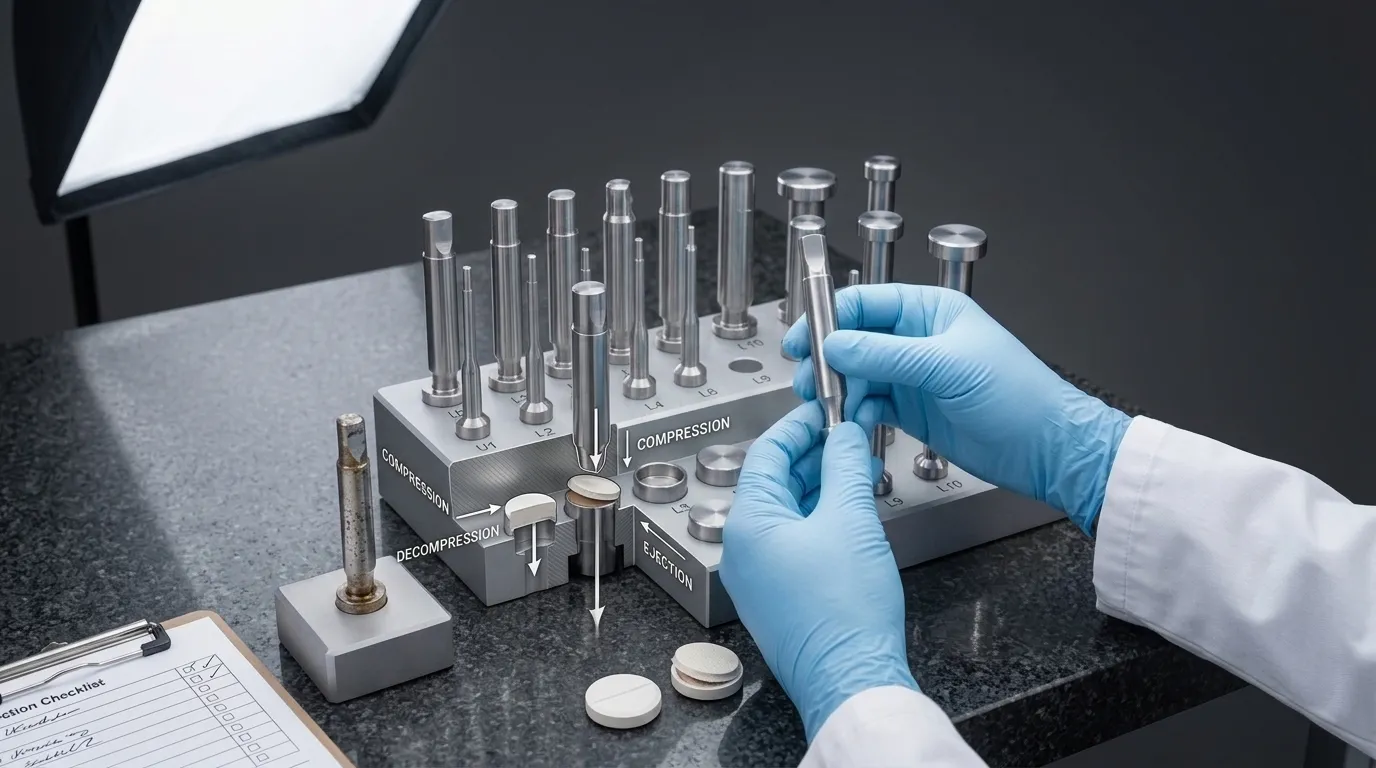
PEEK medical parts machining is used to manufacture high-performance polymer components for medical equipment where dimensional stability, chemical resistance, electrical insulation, and repeated sterilization compatibility may be required.
Compared with conventional engineering plastics, PEEK maintains reliable mechanical performance across demanding operating environments. Its low moisture absorption and strong resistance to chemicals make it suitable for components used in diagnostic equipment, surgical instruments, fluid-handling systems, and reusable medical assemblies.
Our CNC capabilities include milling, turning, drilling, threading, boring, slotting, and precision finishing. Machining parameters, tool paths, workholding methods, and inspection plans are adjusted according to the selected PEEK grade, part geometry, tolerance requirements, and intended application.
Parts can be produced from virgin PEEK, glass-fiber-reinforced PEEK, carbon-fiber-reinforced PEEK, or a customer-nominated material. Material documentation and inspection requirements should be confirmed before production, particularly for regulated or implant-related applications.
Specifications
| Item | Specification |
|---|---|
| Product Name | PEEK Medical Parts Machining |
| Material | Virgin PEEK / GF PEEK / CF PEEK / Customer-Specified Grade |
| Manufacturing Process | CNC Milling / CNC Turning / Drilling / Threading |
| Part Geometry | Custom According to 2D Drawings and 3D Models |
| Tolerance | Evaluated According to Part Size, Geometry and Material Grade |
| Surface Finish | As-Machined / Precision Polished / Custom Finish |
| Color | Natural / Black / Material-Dependent |
| Production Volume | Prototype and Low-Volume Production |
| Inspection | Dimensional Inspection / CMM Inspection When Applicable |
| Documentation | Inspection Reports and Material Documents Upon Request |
| Applications | Medical Devices, Instruments and Laboratory Equipment |
| Custom Service | OEM and ODM Supported |
Three Key Customization Aspects, Tailored to Your Needs
Matching different customization methods to meet various requirements.
Precision Manufacturing, Excellent Quality
Three Key Customization Aspects, Tailored to Your Needs
Different PEEK grades, machining requirements, and inspection methods can be selected according to the medical device application.
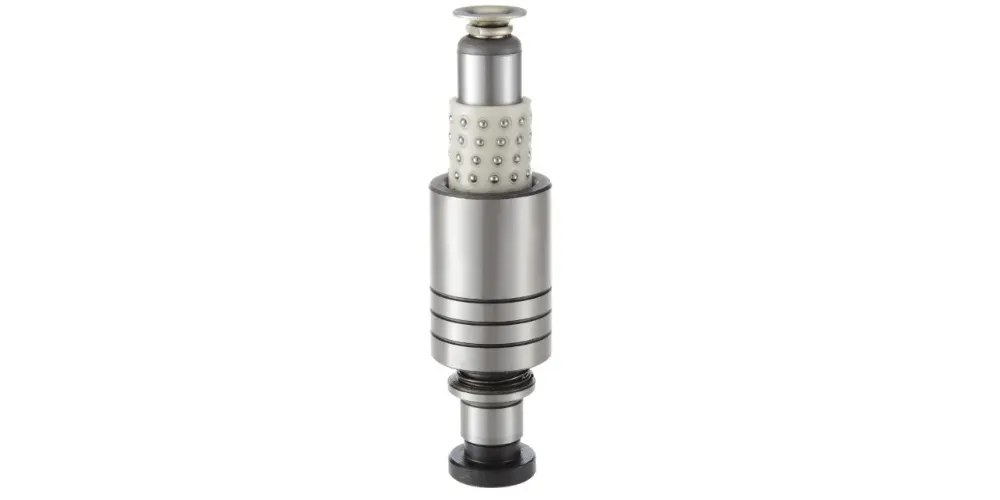
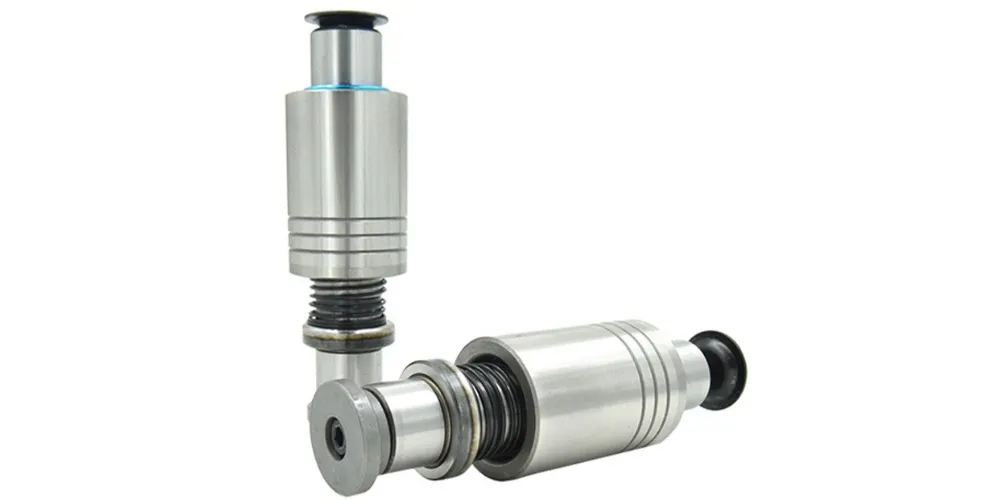
Superior Load Endurance
Designed for demanding industrial conditions, it maintains structural integrity under continuous pressure, supporting stable performance in high-load stamping and molding applications.
Reduced Maintenance Demand
High-quality materials and surface finishing minimize wear, lowering maintenance frequency and helping extend service intervals in long-term manufacturing operations.
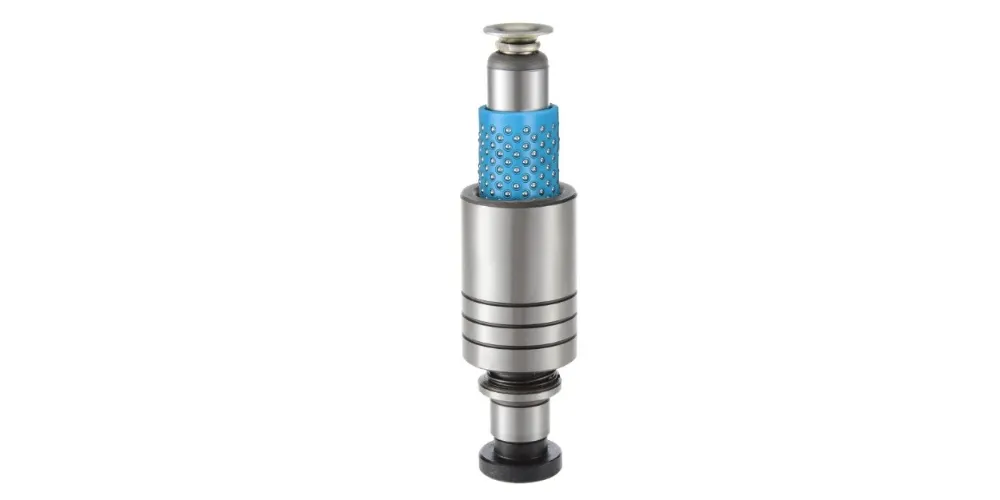
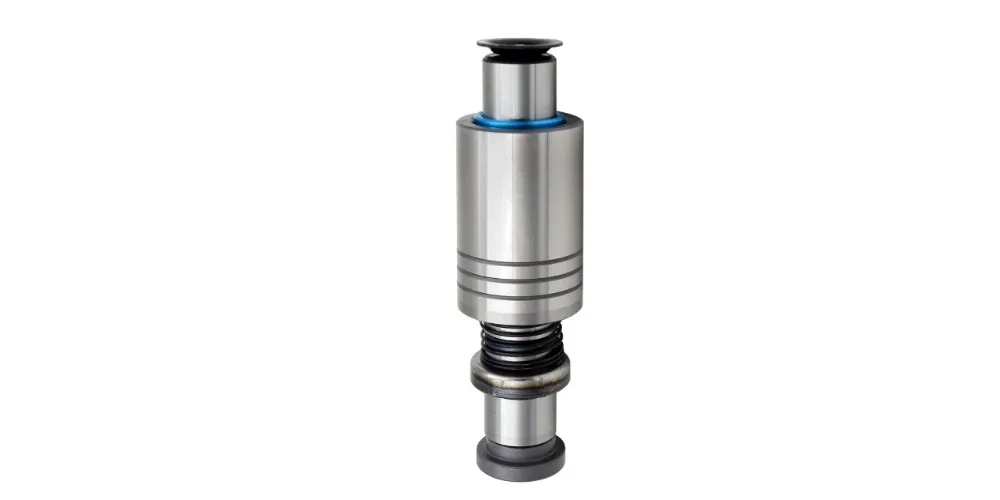
Stable Motion Control
Provides smooth and controlled guiding movement, helping reduce vibration impact and ensuring reliable mold operation during high-speed production processes.
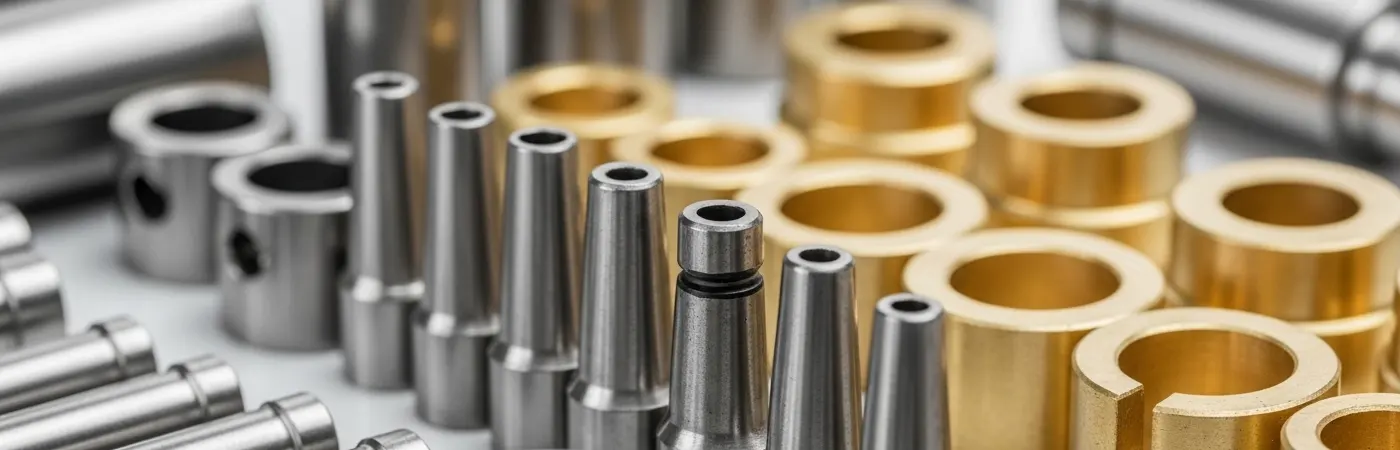
Refined Service, Shortened Delivery Time
From design review to delivery, we provide dedicated one-on-one follow-up throughout the entire process.
Consultation → Provide Drawings → Design Review & Quotation → Order Processing → Quality Inspection → On-time Delivery → After-sales Follow-up
Our Advantages
Backed by over 25 years of engineering experience, our team offers comprehensive services—from customized mold design and precision machining to full-scale production—supported by a robust quality assurance system and proactive customer service. Certified under ISO9001, ISO14001, and IATF 16949, we continually strive for excellence in quality, innovation, and customer satisfaction.
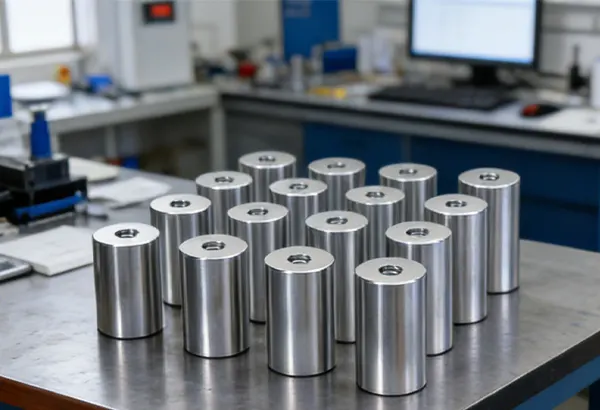
Over 100,000 units in stock, with 2-hour shipment for standard products.
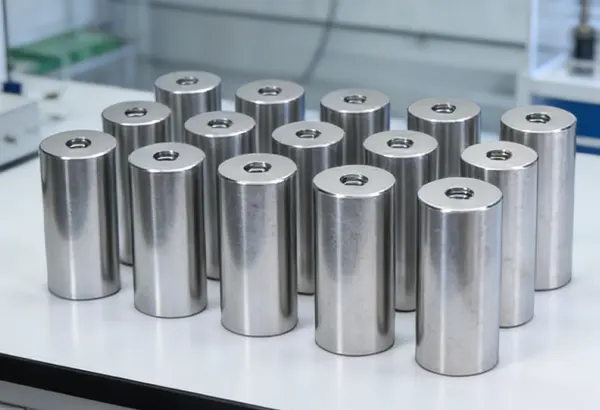
Implementing a three-stage inspection system—initial material check, in-process inspection, and final inspection.
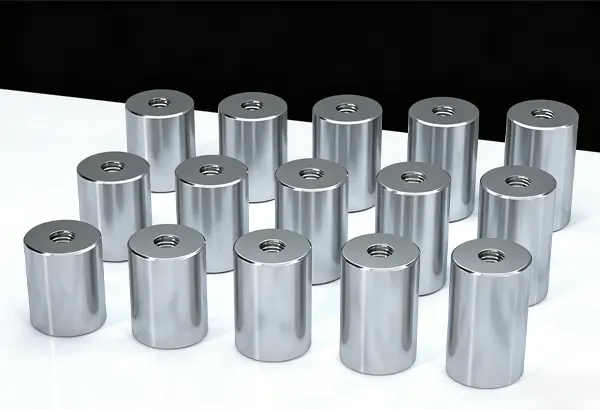
Large inventory and quick turnaround, ensuring on-time delivery with 100% product inspection.
Application Range
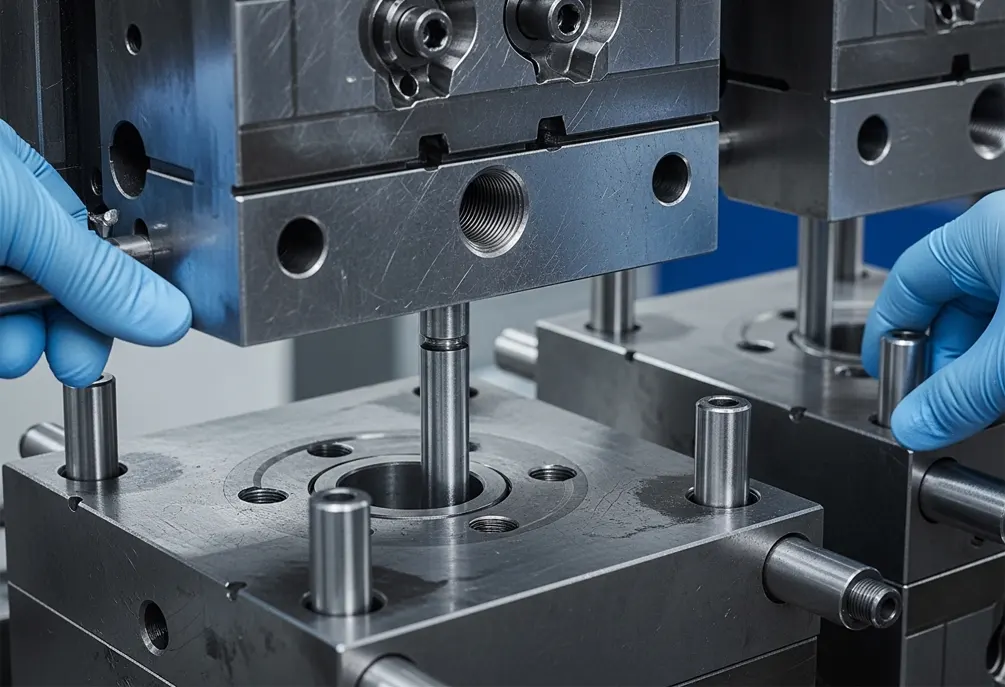
The preferred choice across various industries.


FAQ
Q1: What is a TRP guide pillar used for?
It is used to provide precise alignment and stable guiding between mold components in stamping dies, injection molds, and industrial tooling systems.
Q2: What materials are commonly used for TRP guide pillars?
Common materials include SUJ2, SKD11, and SCM440 alloy steel, known for high hardness, wear resistance, and long service life.
Q3: Can TRP guide pillars be customized?
Yes. Dimensions, tolerances, materials, hardness levels, and surface treatments can all be customized according to customer requirements.
Q4: What surface treatments are available?
Options include precision polishing, hard chrome plating, and anti-corrosion coatings to improve durability and reduce friction during operation.
Q5: Which industries use TRP guide pillars?
They are widely used in automotive manufacturing, metal stamping, plastic injection molding, electronic production, and industrial automation systems.