



Cetakan Injeksi Plastik: Desain, Biaya, dan Daftar Periksa Manufaktur
Plastic injection mold projects succeed when buyers review design manufacturability, tooling cost drivers, supplier capability, and production timelines before steel cutting starts. Mold cost depends on complexity, rongga, toleransi, and steel type. Buyers should confirm CAD files, seleksi resin, inspection plans, and shipping expectations early to avoid redesign costs, launch delays, and production-quality problems.
A mold quote can look straightforward until production starts. Then hidden issues appear: design revisions, unclear tolerances, missed approvals, or tooling delays that push back launch schedules. Buyers who understand the manufacturing process early usually avoid the most expensive mistakes. This guide explains what affects tooling cost, what suppliers need before quoting, and what to check before approving production tooling.
What is a plastic injection mold and what does the buyer actually pay for?
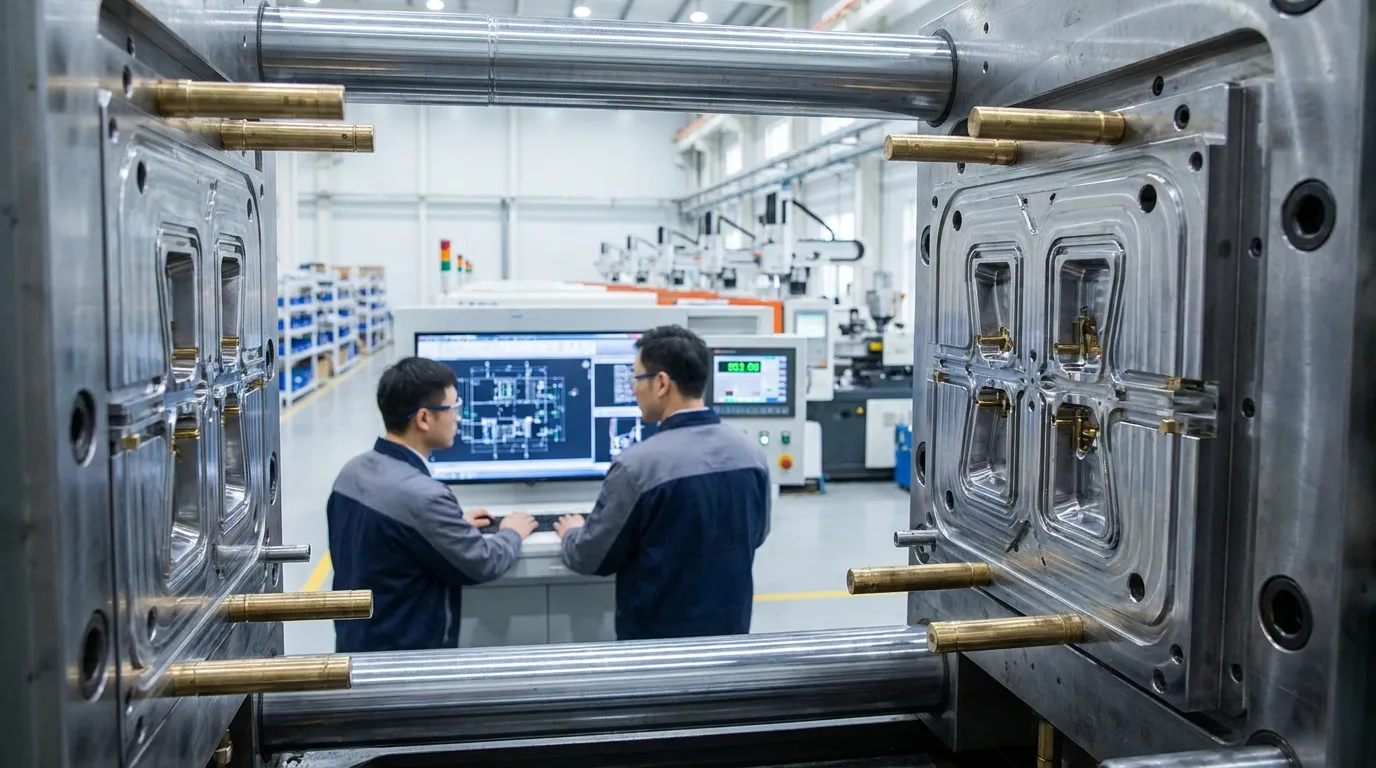
A plastic injection mold is the tooling system used to form plastic parts repeatedly at production scale. Buyers are paying for engineered tooling, presisi pemesinan, sistem pendingin, validasi, and long-term production stability, not just a metal block.
A production mold includes far more than the cavity that shapes the part. It also includes cooling channels, sistem ejector, alignment components, machining work, pemolesan, validasi, and process engineering. If you need a refresher on tooling terminology, ini dasar-dasar cetakan injeksi guide explains the main systems in more detail.
Most suppliers also include design-for-manufacturing (DFM) review before cutting steel. Menurut Panduan kemampuan cetakan Protolabs, part geometry, ketebalan dinding, and gate placement directly affect manufacturability and tooling complexity.
Buyers are usually paying for these areas:
- Dasar cetakan dan komponen baja
- Pemesinan inti dan rongga
- Sistem pendinginan dan ejeksi
- Tinjauan DFM dan dukungan teknik
- Pengambilan sampel dan validasi berjalan
- Finishing dan pemolesan permukaan
- Pengujian kesiapan produksi
Low-cost tooling is not always cheaper long term. A cheaper mold that requires repeated repairs or unstable production cycles often costs more over the life of the project.
How much does a plastic injection mold cost in 2026?
Plastic injection mold cost depends mainly on part complexity, hitungan rongga, kelas baja, persyaratan toleransi, dan volume produksi yang diharapkan. Simple prototype molds may cost far less than hardened multi-cavity production tools designed for long lifecycle manufacturing.
A small prototype mold with loose tolerances is very different from a hardened steel production tool running hundreds of thousands of cycles. Buyers sometimes compare quotes without realizing the suppliers are quoting different tooling standards.
What increases tooling cost fastest?
Part complexity usually drives pricing faster than part size. Potongan bawah, tindakan sampingan, textured finishes, thin walls, and tight tolerances all increase machining time and validation work.
Multi-cavity molds are not automatically the best choice. They improve production output, but they also increase balancing requirements, cooling complexity, and repair costs.
Rincian Biaya Cetakan Injeksi
| Jenis Cetakan | Penggunaan Khas | Jumlah Rongga | Jenis Baja | Siklus Hidup yang Diharapkan | Biaya Relatif |
|---|---|---|---|---|---|
| Cetakan prototipe | Pengujian awal | 1 | Aluminium atau baja yang lebih lembut | Volume rendah | Lebih rendah |
| Perkakas jembatan | Produksi menengah | 1-2 | Baja pra-pengerasan | Volume sedang | Sedang |
| Cetakan produksi | Manufaktur jangka panjang | 2-8 | Baja yang dikeraskan | Volume tinggi | Lebih tinggi |
| Cetakan presisi tinggi | Bagian toleransi yang ketat | Multi-rongga | Baja keras premium | Volume yang sangat tinggi | Tertinggi |
A startup consumer electronics company may begin with a simpler prototype mold to validate fit and assembly. If annual demand grows later, they often move to hardened steel tooling with additional cavities for production efficiency.
Another common cost driver is design revision timing. A buyer who changes wall thickness after steel cutting may add weeks of machining revisions and extra validation cycles.
What design details should buyers review before approving tooling?
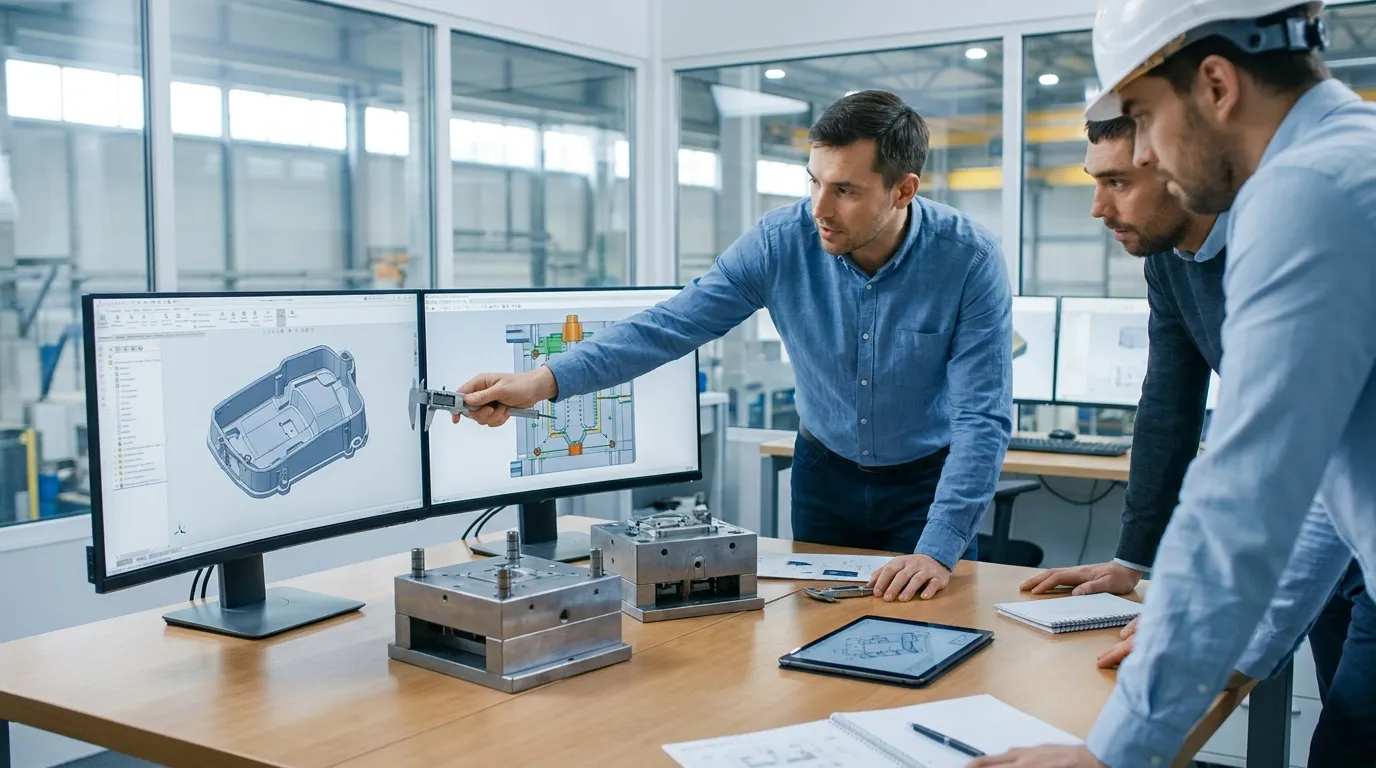
Buyers should review wall thickness consistency, sudut-sudut draft, memotong, rib dimensions, and parting line placement before tooling approval. Small design oversights before steel cutting often create the largest timeline and cost overruns later.
Most tooling delays begin with design decisions that looked harmless during CAD review. Once machining starts, even small geometry changes can require major tooling revisions.
Menurut Tips desain cetakan injeksi Protolabs, consistent wall thickness helps reduce warping, bekas tenggelam, and filling problems. Draft angles also help parts eject cleanly from the mold without surface damage.
Which design changes become expensive after steel cutting?
Undercut changes are one of the biggest risks. Side actions and slides require additional machining and alignment work. Moving a parting line late in the project can also force cavity rework.
Rib thickness is another common issue. Thick ribs may create sink marks or uneven cooling. Thin ribs can create filling problems. Buyers should review these details during DFM approval, not during production troubleshooting.
If your design uses internal support features, this guide on Desain pin inti explains how pin geometry affects molding stability and cooling performance.
Daftar Periksa Tinjauan Desain Sebelum Persetujuan Alat
- Konfirmasikan sudut angin pada dinding vertikal
- Tinjau konsistensi ketebalan dinding
- Mengidentifikasi undercut dan tindakan samping
- Memverifikasi dimensi tulang rusuk
- Mengonfirmasi lokasi gerbang
- Tinjau penempatan jalur perpisahan
- Periksa area kritis toleransi
- Konfirmasikan persyaratan permukaan kosmetik
A buyer can sometimes reduce tooling cost significantly by simplifying undercuts or removing unnecessary side actions before machining starts.
What information should you send to an injection mold supplier?
Suppliers cannot provide accurate tooling feedback without complete CAD files, resin requirements, volume produksi yang diharapkan, harapan toleransi, and cosmetic standards. Missing information often causes quote revisions, redesign work, and tooling delays.
The best supplier conversations happen before quoting starts. If the supplier receives incomplete information, the quote often includes assumptions that create problems later.
Buyers should provide:
- File CAD 3D
- Persyaratan resin atau material
- Volume produksi tahunan
- Ekspektasi hasil akhir kosmetik
- Persyaratan toleransi
- Rincian perakitan
- Persyaratan pengemasan
- Target jadwal produksi
A packaging supplier producing millions of parts per year may need hardened steel tooling and aggressive cooling systems. A startup building small pilot runs may not need the same tooling specification.
Alignment details also matter during early review. This article on Penyelarasan pin panduan explains how alignment systems affect mold accuracy and long-term wear.
How long does plastic injection mold manufacturing usually take?
Most production injection mold projects take several weeks to several months depending on mold complexity, sampling rounds, design revisions, dan persyaratan validasi produksi. Delays often happen after tooling changes or incomplete approvals.
Simple tooling may move quickly, but production-grade molds often require multiple stages before launch approval. Menurut Ikhtisar waktu tunggu Evok Poly, tooling complexity and validation cycles are major timeline factors.
Garis Waktu Pembuatan Cetakan Khas
| Panggung | Aktivitas Khas |
|---|---|
| Ulasan DFM | Tinjauan kemampuan manufaktur dan umpan balik desain |
| Desain cetakan | Inti, rongga, pendinginan, and gate planning |
| Pemotongan baja | Pekerjaan pemesinan dan EDM |
| Perakitan | Pemasangan dan penyelarasan cetakan |
| Pengambilan sampel T1 | Bidikan uji pertama |
| Siklus revisi | Penyesuaian alat jika diperlukan |
| Validasi | Persetujuan produksi akhir |
| Pengiriman | Pemrosesan pengiriman dan bea cukai |
Faster tooling timelines are not always safer. Some suppliers shorten validation time to appear competitive during quoting. That creates higher production-launch risk later.
What causes tooling delays most often?
Design revisions after steel cutting are one of the biggest causes. Sampling failures, incomplete approvals, perubahan material, and shipping paperwork problems also extend schedules.
A common example is a buyer approving CAD files before finalizing resin selection. If shrink rates change later, the supplier may need tooling adjustments before production approval.
What should buyers check before mold steel cutting starts?
Before steel cutting begins, buyers should confirm approved CAD files, seleksi resin, gate location, tolerance standards, inspection methods, and ownership terms. Fixing mistakes after machining starts is significantly more expensive and slower.
Steel cutting is the point where tooling moves from engineering review into expensive machining work. Buyers should treat this stage like a formal approval gate.
If tooling components need precision alignment and wear resistance, this article about bushing cetakan explains how these systems support mold accuracy and service life.
Daftar Periksa Persetujuan Pra-Pemotongan Baja
| Item Persetujuan | Mengapa Itu Penting |
|---|---|
| Persetujuan CAD akhir | Mencegah biaya revisi geometri |
| Konfirmasi resin | Memengaruhi tingkat penyusutan dan pendinginan |
| Persetujuan lokasi gerbang | Dampak pengisian dan kosmetik |
| Perjanjian toleransi | Menghindari perselisihan inspeksi |
| Persetujuan permukaan akhir | Mencegah penundaan pemolesan ulang |
| Rencana inspeksi | Menentukan kriteria penerimaan |
| Ekspektasi pengambilan sampel | Mengklarifikasi proses validasi |
| Persyaratan kepemilikan alat | Mencegah sengketa di masa mendatang |
| Jadwal pengiriman | Mengurangi risiko penjadwalan peluncuran |
A supplier quote comparison can reveal major differences here. One supplier may include multiple sampling revisions, while another charges separately for each correction cycle. Buyers should compare these details before approval, not after production problems appear.
How do you compare injection mold suppliers effectively?
Supplier evaluation should focus on process control and communication quality, not only pricing. A lower quote may exclude validation work, production support, or tooling revisions.
Menurut Daftar periksa sumber Rodon Group, buyers should ask about quality systems, kepemilikan alat, validation procedures, and production experience early in the quoting process.
Daftar Periksa Perbandingan Pemasok
| Area Evaluasi | Apa yang Harus Ditanyakan Pembeli |
|---|---|
| Kemampuan perkakas | Can they build similar molds? |
| Proses validasi | How many sampling rounds are included? |
| Sistem mutu | What inspection methods are used? |
| Komunikasi | How quickly do they respond to revisions? |
| Pemeliharaan cetakan | Do they support long-term servicing? |
| Dukungan transfer | Can tooling move to another facility if needed? |
A buyer sourcing high-volume packaging parts may prioritize cycle-time optimization and cavity balancing. A medical-device startup may focus more on documentation and validation support.
Tanda-tanda peringatan selama evaluasi pemasok
Slow engineering feedback is usually a bad sign. Suppliers who avoid detailed DFM discussions often create more production problems later.
Another warning sign is vague tooling specifications. If the quote does not clearly define steel type, included validation rounds, or tooling ownership terms, buyers should ask for clarification before approving the project.
For broader process context, Sunshine Pro's Proses pembuatan cetakan guide explains how tooling systems move from engineering into production.
What customs and shipping delays should buyers plan for?
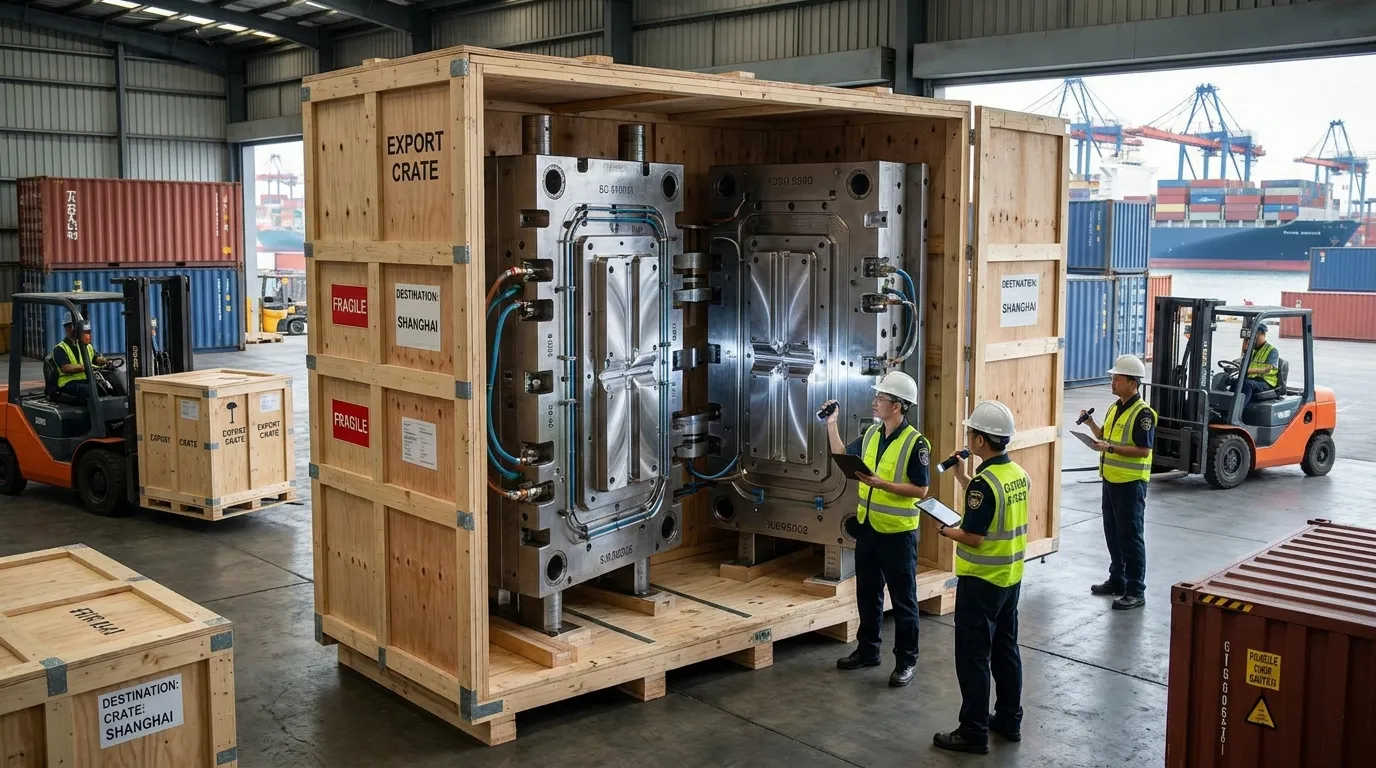
Injection mold delivery timelines can be affected by customs inspections, incomplete shipping paperwork, anti-dumping regulations, and freight delays. Buyers should build timeline buffers into launch schedules instead of relying on optimistic shipping estimates.
Many buyers plan around tooling completion dates but forget about shipping uncertainty. International mold shipments may face customs inspections, port delays, or missing documentation issues.
Trade rules can also affect import timing and costs. Ini Referensi Bea Masuk Anti-Dumping shows how trade actions can affect imported manufacturing materials and components.
Daftar Periksa Risiko Pengiriman dan Bea Cukai
- Mengonfirmasi akurasi faktur komersial
- Memverifikasi dokumen kepemilikan perkakas
- Tinjau persyaratan asuransi pengiriman
- Membangun waktu buffer peluncuran ke dalam jadwal
- Konfirmasi persyaratan peti dan kemasan
- Lacak dokumentasi bea cukai sebelum keberangkatan
A mold shipment delayed by customs paperwork can easily disrupt a production launch window. Buyers planning aggressive launch schedules should build contingency time into supplier agreements.
Daftar periksa pembeli akhir sebelum menyetujui proyek cetakan injeksi plastik
Sebelum menyetujui alat, buyers should confirm technical requirements, supplier capability, validation scope, and delivery timing. Most expensive tooling mistakes happen because one of these areas was assumed instead of documented.
Use this final checklist before approval:
- Selesaikan pemilihan CAD dan resin
- Konfirmasikan jumlah rongga dan baja perkakas
- Tinjau rekomendasi DFM dengan cermat
- Klarifikasi revisi pengambilan sampel yang disertakan
- Tentukan standar inspeksi dan validasi
- Memverifikasi persyaratan kepemilikan alat
- Konfirmasi perencanaan pengiriman dan bea cukai
- Tinjau ekspektasi pemeliharaan
- Selaraskan garis waktu peluncuran dengan waktu tunggu yang realistis
Mendapatkan Langkah Selanjutnya dengan Benar
A plastic injection mold project becomes easier to manage when buyers focus on manufacturability and communication before steel cutting starts. The strongest projects usually have clear documentation, garis waktu realistis, and detailed supplier reviews from the beginning.
If you're comparing suppliers or reviewing a new product launch, start with the engineering details first. Cost matters, but long-term tooling stability, dukungan validasi, and production readiness usually have a bigger impact on manufacturing success.
Anda juga dapat mengulas Sunshine Pro Panduan Komponen Cetakan Lengkap for a broader overview of mold systems and tooling components.
Pertanyaan yang Sering Diajukan
How much does a plastic injection mold usually cost?
Plastic injection mold cost depends on part complexity, hitungan rongga, tipe baja, toleransi, dan volume produksi yang diharapkan. Prototype tooling is usually less expensive than hardened production molds designed for high-volume manufacturing.
How long does it take to manufacture an injection mold?
Injection mold manufacturing may take several weeks or months depending on tooling complexity, validation cycles, and supplier workload. Delays often happen when design changes are requested after machining begins.
Why is injection molding tooling expensive?
Tooling requires precision machining, engineered cooling systems, hardened steel components, dan pengujian validasi. Higher-volume molds also need stronger materials and tighter tolerances to maintain stable production.
What information should I send to a mold supplier?
Buyers should provide CAD files, resin requirements, volume produksi tahunan, harapan toleransi, persyaratan kosmetik, and assembly details. Incomplete information often leads to inaccurate quotes and tooling delays.
How long do injection molds last?
Mold lifespan depends on steel quality, abrasive resin, praktik pemeliharaan, dan volume produksi. Hardened production molds can support very high cycle counts when maintained properly.
What causes injection mold project delays?
Common delays include late design revisions, incomplete approvals, sampling failures, shipping problems, and customs inspections. Weak communication between buyer and supplier can extend timelines even further.
Bagikan:


Ditulis oleh Sunshine
di Sunshine, Kami adalah produsen dan pemasok profesional komponen cetakan presisi, menawarkan berbagai produk untuk aplikasi stamping dan cetakan injeksi. Fokus utama kami adalah mencetak cetakan, pin dan lengan ejector, serta tiang panduan dan bushing. Dengan pemesinan CNC canggih, kontrol kualitas ketat, dan kemampuan produksi yang kuat, kami memastikan keandalan, suku cadang presisi tinggi, bersama dengan komponen standar yang tersedia untuk pasokan global yang cepat dan efisien.
BERITA
DAPATKAN LAYANAN
Dengan suku cadang berkualitas untuk memenuhi setiap anggaran dan staf ramah yang terlatih untuk membuat kunjungan Anda menjadi informatif dan tanpa repot.
