



Produsen Cetakan Injeksi: Cara Memilih Pemasok yang Dapat Dipercaya
Injection mold manufacturers should be evaluated based on engineering capability, tolerance control, communication quality, keandalan waktu persiapan, and export support. A reliable supplier explains its mold trial process, metode inspeksi, revision handling, and shipping timelines before production starts. Buyers who compare lifecycle value instead of only mold price usually avoid costly delays, tooling failures, and unstable production runs.
Choosing the wrong mold supplier can delay a product launch for months. A low quote may look attractive early on, but weak communication, poor sampling control, or missed tolerances often create larger problems later. This guide explains how to compare injection mold manufacturers based on real production factors, including tooling capability, waktu tunggu, export readiness, and long-term support.
What should you look for in an injection mold manufacturer?
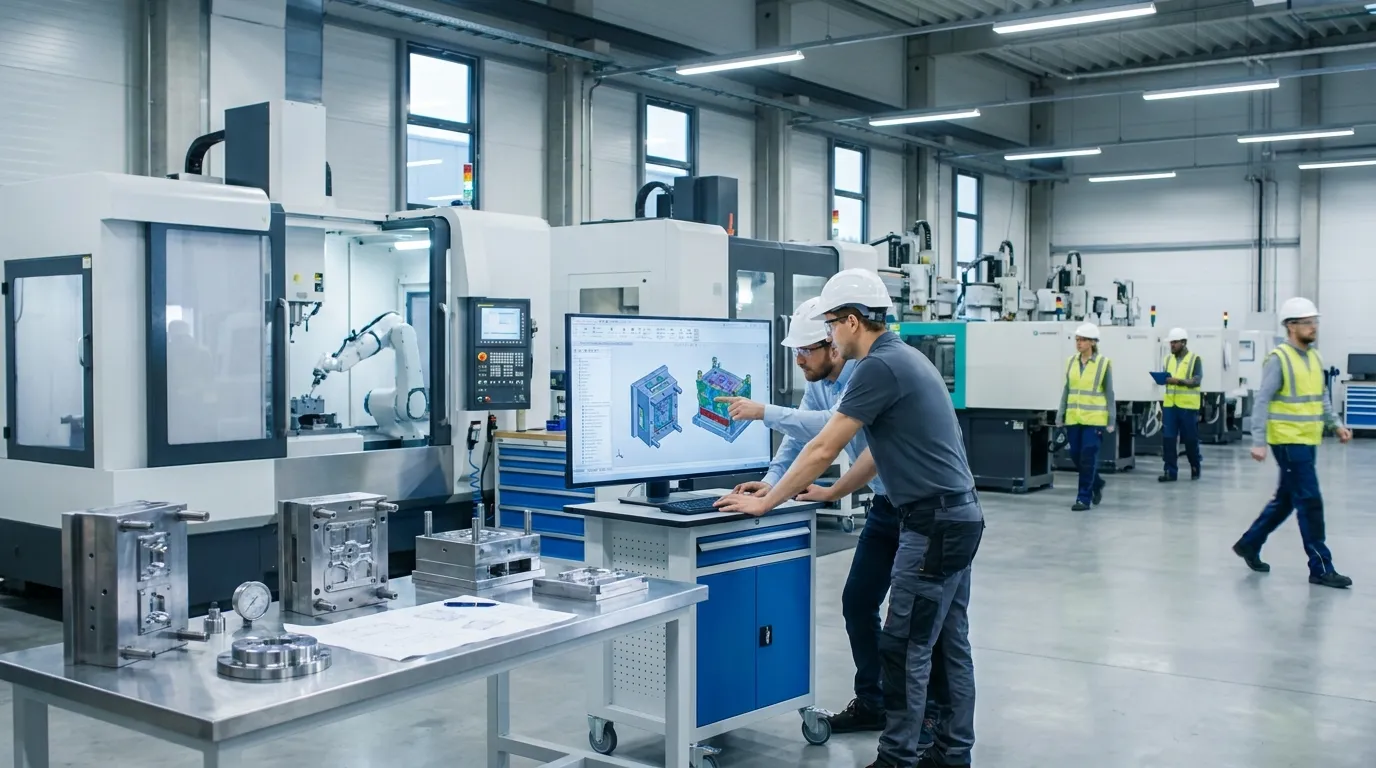
Reliable injection mold manufacturers should demonstrate technical capability, stable quality control, realistic lead times, and responsive communication before quoting price. Buyers should evaluate tooling experience, export readiness, and project management support instead of comparing mold cost alone.
A good supplier should be able to explain how your mold will be built, diuji, inspected, and maintained. If a manufacturer gives vague answers during the quoting stage, that usually becomes a larger problem once production begins.
For buyers new to tooling projects, it helps to understand the broader manufacturing process before comparing suppliers. Ini Ikhtisar cetakan injeksi plastik explains how tooling, pencetakan, and production fit together.
The strongest suppliers usually perform well in five areas:
- Dukungan teknik selama peninjauan RFQ
- Proses toleransi dan inspeksi yang stabil
- Perencanaan waktu tunggu yang realistis
- Komunikasi yang jelas selama revisi
- Koordinasi ekspor dan logistik
Tabel Evaluasi Pemasok Cetakan Injeksi
| Area Evaluasi | Apa yang Harus Ditanyakan Pembeli | Contoh Jawaban yang Baik | Contoh Bendera Merah |
|---|---|---|---|
| Dukungan Teknik | Can you review DFM risks before tooling? | Pemasok menjelaskan sudut draft dan penempatan gerbang | Pemasok hanya membahas harga |
| Kontrol Toleransi | How do you verify dimensions? | Menyediakan alur kerja inspeksi dan laporan pengambilan sampel | Mengatakan toleransi "tidak masalah" tanpa detail |
| Perencanaan Lead Time | What affects delivery timing? | Explains tooling, trials, revisi, and shipping | Menjanjikan pengiriman yang luar biasa cepat tanpa detail proses |
| Komunikasi | How often are project updates sent? | Pembaruan mingguan dengan pelacakan revisi | Balasan lambat selama kutipan |
| Dukungan Ekspor | How do you manage international shipment? | Menjelaskan pengemasan dan persiapan bea cukai | Tidak ada pengalaman koordinasi ekspor |
A manufacturer with advanced machines is not automatically reliable. Process control, inspection discipline, and communication quality matter more than equipment lists alone.
How do you verify manufacturing capability before placing an order?
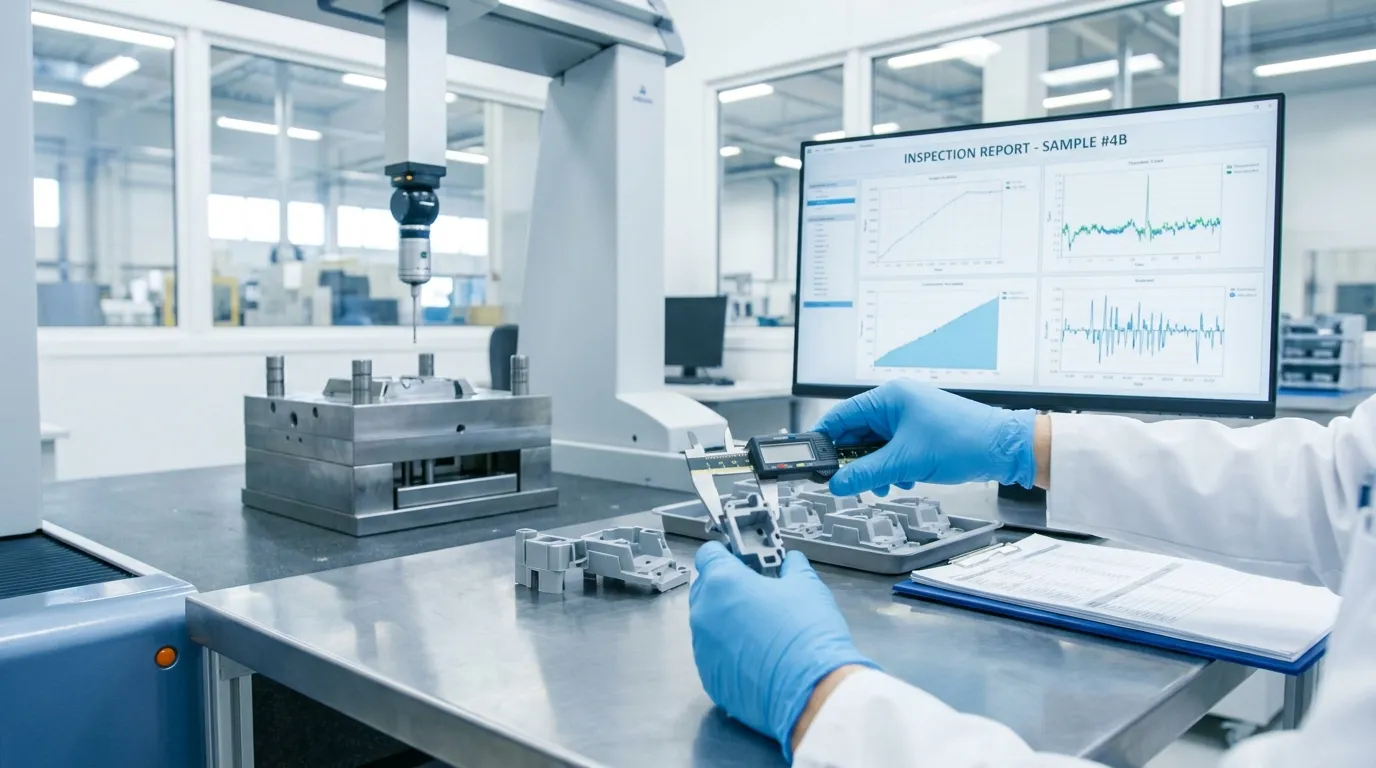
Buyers should verify machine range, tolerance capability, tooling experience, and mold testing procedures before approving a supplier. A strong manufacturer can explain inspection methods, trial processes, and corrective actions clearly during RFQ discussions.
Many sourcing problems begin because buyers approve a supplier before checking real production capability. A polished website does not confirm that the supplier can hold tolerances consistently or manage revisions correctly.
Ask suppliers for examples of similar tooling projects. If your product requires thin walls, cosmetic finishes, or tight dimensional control, the manufacturer should explain how those requirements affect tooling design and mold trials.
Anda juga harus meninjau proses produksi cetakan before final approval. This helps buyers understand how tooling moves from design to sampling and production validation.
Daftar periksa kemampuan teknis
| Area Kemampuan | Apa yang Harus Diverifikasi |
|---|---|
| Kapasitas Mesin | Rentang ton dan kompatibilitas ukuran bagian |
| Kontrol Toleransi | Peralatan inspeksi dan metode pengambilan sampel |
| Pengalaman Perkakas | Industri atau kategori produk serupa |
| Uji Coba Cetakan | Proses uji coba dan alur kerja koreksi |
| Sistem Mutu | Pelaporan dan dokumentasi inspeksi |
| Penanganan Revisi | Manajemen perubahan setelah pemotongan baja |
A medical-device buyer may reject a low-cost supplier if the manufacturer cannot explain sampling validation clearly. That situation happens often with suppliers focused only on fast quoting.
Another common mistake is choosing based on machine size alone. A supplier with fewer machines but better inspection systems may produce more stable results than a larger factory with weak process control.
Waktu tunggu apa yang secara realistis harus diharapkan pembeli?
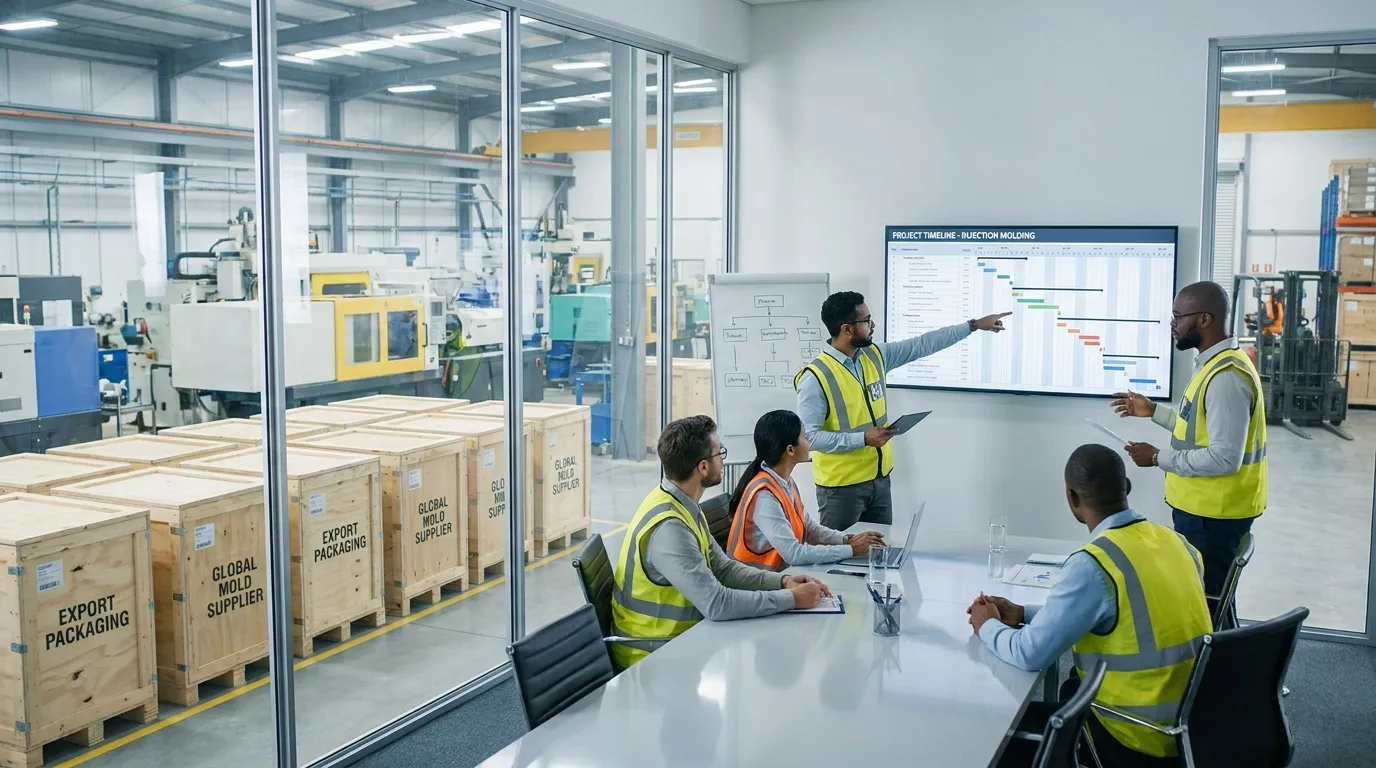
Injection mold lead times depend on mold complexity, revisi, siklus pengambilan sampel, and shipping coordination. Buyers should expect tooling, validasi, and logistics to affect schedules more than machine production time alone.
Production tooling rarely moves in a straight line. Even a simple mold may require design revisions, sampling corrections, or packaging adjustments before shipment approval.
Menurut Rincian waktu tunggu EvokPoly, tooling schedules usually include design review, pemesinan, perakitan, uji coba cetakan, and validation before production starts. Buyers who only ask for “delivery date” often miss the stages that create delays.
A startup launching a 5,000-unit pilot run may choose aluminum tooling to shorten the schedule and reduce upfront cost. Hardened steel tooling usually makes more sense for long production runs, but it requires longer machining and validation time.
What causes unexpected mold delays?
Several issues regularly extend tooling timelines:
- Perubahan desain setelah pemotongan baja
- Uji coba cetakan yang gagal
- Koreksi pengambilan sampel
- Revisi kemasan
- Masalah dokumentasi ekspor
- Penundaan bea cukai
Analisis garis waktu proyek Ulite explains how revisions after steel cutting can significantly extend schedules. Even small CAD changes may require additional machining or tooling adjustments.
International shipments can create another delay point. Diskusi kepatuhan bea cukai terbaru show that documentation errors can slow international cargo even when factory production is complete.
Daftar Periksa Risiko Lead Time
| Area Risiko | Mengapa Itu Penting |
|---|---|
| Status Pembekuan Desain | Revisi yang sedang berlangsung menunda pemesinan |
| Siklus Pengambilan Sampel | Uji coba yang gagal memerlukan koreksi |
| Ekspor Dokumentasi | Dokumen yang hilang menunda pengiriman |
| Persetujuan Kemasan | Kemasan yang salah dapat menghalangi ekspor |
| Metode Pengiriman | Angkutan laut meningkatkan risiko jadwal |
| Persiapan Bea Cukai | Masalah kepatuhan dapat menunda pengiriman |
Fast tooling timelines only work when the product design is stable. If revisions continue after steel cutting, aggressive delivery promises usually become unrealistic.
Mengapa kualitas komunikasi sama pentingnya dengan kualitas perkakas
Poor communication often creates larger project delays than machining problems. Reliable injection mold manufacturers provide clear revision tracking, fast engineering feedback, and consistent project updates throughout tooling and sampling.
A supplier that communicates poorly during the RFQ stage rarely improves later. Slow replies, vague engineering answers, or missing revision records often lead to production delays once tooling begins.
Good communication usually includes:
- Umpan balik DFM yang jelas
- Pelacakan revisi
- Pembaruan proyek terjadwal
- Klarifikasi teknik cepat
- Laporan pengambilan sampel transparan
A company may accept a slightly higher tooling quote because the supplier provides structured updates, trial reports, and maintenance planning. That decision often reduces production disruption later.
Communication quality also affects export coordination. If packaging requirements, labeling, or shipping approvals are unclear, customs delays become more likely during shipment preparation.
What are the biggest red flags when comparing mold manufacturers?
Red flags include unrealistic timelines, unclear quality documentation, vague tolerance claims, and slow engineering responses during quoting. Buyers should treat inconsistent communication before the order as a warning sign for future production support problems.
Some suppliers promise extremely fast delivery to win projects. That approach creates risk if the tooling schedule ignores sampling, revisi, or export coordination.
Another warning sign is vague quality language. If a supplier says “high precision” without explaining measurement methods or inspection systems, buyers should ask deeper technical questions.
Itu Pemilihan jenis cetakan process also affects tooling reliability. Different mold structures require different maintenance plans, tooling materials, and production strategies.
Bendera merah pemasok umum
- Janji waktu tunggu yang tidak realistis
- Komunikasi teknik yang lemah
- Tidak ada dokumentasi pengambilan sampel
- Pengalaman ekspor terbatas
- Proses revisi tidak jelas
- Pelaporan inspeksi yang buruk
- Kutipan generik dengan sedikit tinjauan teknis
Lowest-price tooling is not always the safest sourcing decision. A supplier with slower quoting but stronger engineering communication often creates fewer production problems later.
Is the lowest mold quote usually the best option?
The cheapest injection mold quote can become the most expensive option if poor tooling quality causes production delays, rework, or maintenance problems. Buyers should compare lifecycle value instead of upfront tooling cost alone.
Low-cost quotes sometimes exclude inspection support, mold validation, or maintenance planning. Buyers may save money initially but lose more later through rework, produksi tidak stabil, or missed launch schedules.
Ini dasar-dasar cetakan injeksi resource explains how tooling quality affects long-term molding performance and production consistency.
Perbandingan Kutipan Rendah vs Pemasok Andal
| Faktor | Pemasok Berbiaya Rendah | Pemasok Terpercaya |
|---|---|---|
| Biaya Perkakas di Muka | Lebih rendah | Lebih tinggi |
| Tinjauan Teknik | Terbatas | Rincian |
| Dukungan Pengambilan Sampel | Minimal | Terstruktur |
| Komunikasi | Tidak konsisten | Pembaruan terjadwal |
| Pemeliharaan Cetakan | Sering dikecualikan | Biasanya direncanakan |
| Stabilitas Produksi | Risiko lebih tinggi | Lebih dapat diprediksi |
A consumer electronics company may lose three weeks after approving a cheap supplier that cannot handle CAD revisions correctly. The original quote looked attractive, but production delays increased the total project cost.
Lifecycle value matters more than initial tooling price. Buyers should evaluate how the supplier supports production after the mold ships.
What should happen before final supplier approval?
Final supplier approval should happen only after tooling validation, sampling review, inspection checks, and export preparation are complete. Buyers who skip these steps often discover problems after production starts.
The supplier should complete mold trials and provide dimensional inspection results before mass production approval. Buyers should confirm that sampled parts match the approved CAD files and cosmetic requirements.
Ini Pemeriksaan kualitas perkakas guide explains how inspection and validation fit into the broader tooling workflow.
Dokumen yang harus diminta pembeli
- Laporan uji coba cetakan
- Hasil inspeksi dimensi
- Konfirmasi materi
- Spesifikasi kemasan
- Dokumentasi ekspor
- Catatan revisi
A buyer shipping internationally should also confirm export preparation before the mold leaves the factory. Kemasan, labeling, and customs paperwork should all be reviewed in advance.
One practical example involves a company reducing customs delays by confirming shipping documentation before mold shipment approval. The supplier completed production on time, but missing export paperwork could have delayed delivery for weeks.
Apa yang Harus Dilakukan Selanjutnya
Choosing injection mold manufacturers should feel like a technical and operational decision, not only a price negotiation. Strong suppliers explain their tooling process clearly, communicate consistently, and help buyers manage production risk from design review through shipment.
If you’re comparing suppliers now, start by reviewing engineering communication, prosedur pengambilan sampel, and inspection methods before focusing on quote price. A reliable partner usually creates fewer delays, fewer corrections, and more stable long-term production.
For broader process education, tinjau ini Panduan Cetakan Injeksi Lengkap before final supplier selection.
Pertanyaan yang Sering Diajukan
Berapa lama waktu yang dibutuhkan untuk memproduksi cetakan injeksi?
Most production molds require several weeks for design, pemesinan, pengujian, and validation before mass production begins. Complex tooling, revisi desain, and export coordination can extend the timeline further.
What questions should I ask an injection molding company?
Buyers should ask about tolerance capability, mold trial procedures, inspection systems, machine capacity, revision handling, and export experience. These questions help identify whether the supplier can support long-term production stability.
Should injection mold tooling be aluminum or steel?
Aluminum tooling works well for prototypes and lower-volume production because it reduces tooling time and upfront cost. Steel molds usually provide better durability and production consistency for long manufacturing runs.
Apa penyebab keterlambatan proyek cetakan injeksi?
Revisi desain setelah pemotongan baja, failed sampling trials, tooling corrections, and customs documentation issues commonly delay projects. Weak communication can also slow approvals and production scheduling.
How do you know if a mold manufacturer is reliable?
Reliable manufacturers provide clear inspection documentation, realistic schedules, structured project updates, and transparent engineering communication during quoting. Consistent responsiveness before production usually predicts better long-term support.
Why do cheap mold quotes sometimes fail?
Low-cost tooling quotes may exclude validation support, inspection processes, engineering review, or maintenance planning. Buyers often face higher costs later through rework, penundaan, or unstable production quality.
Bagikan:


Ditulis oleh Sunshine
di Sunshine, Kami adalah produsen dan pemasok profesional komponen cetakan presisi, menawarkan berbagai produk untuk aplikasi stamping dan cetakan injeksi. Fokus utama kami adalah mencetak cetakan, pin dan lengan ejector, serta tiang panduan dan bushing. Dengan pemesinan CNC canggih, kontrol kualitas ketat, dan kemampuan produksi yang kuat, kami memastikan keandalan, suku cadang presisi tinggi, bersama dengan komponen standar yang tersedia untuk pasokan global yang cepat dan efisien.
BERITA
DAPATKAN LAYANAN
Dengan suku cadang berkualitas untuk memenuhi setiap anggaran dan staf ramah yang terlatih untuk membuat kunjungan Anda menjadi informatif dan tanpa repot.
